
The Rise of Eco-Friendly Forklifts in the Australian Market


The Growing Demand for Eco-Friendly Forklifts
As environmental concerns continue to grow, businesses across Australia are making a shift towards more sustainable practices. One notable trend is the rise of eco-friendly forklifts. These innovative machines are transforming industries by reducing carbon footprints and promoting greener operations.
The demand for eco-friendly solutions is not just a global movement. In Australia, companies are increasingly prioritizing sustainability, and forklifts are at the forefront of this change. By adopting electric and hybrid forklifts, businesses are taking significant steps toward achieving their environmental goals.
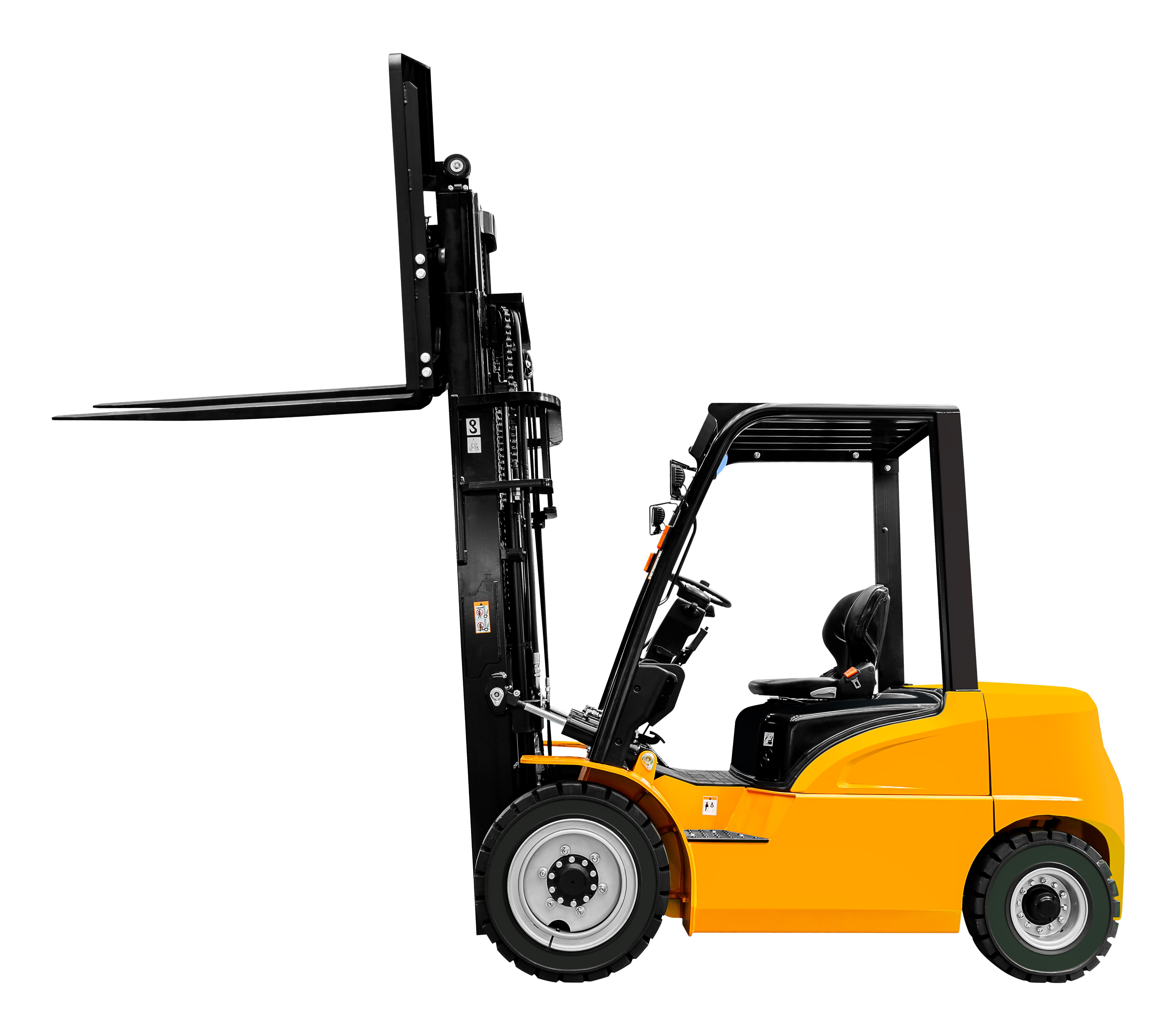
Types of Eco-Friendly Forklifts
Eco-friendly forklifts come in various forms, each offering unique benefits. The most common types include:
- Electric Forklifts: Powered entirely by batteries, these forklifts emit zero emissions, making them ideal for indoor use.
- Hybrid Forklifts: These combine internal combustion engines with electric power, offering flexibility and reduced emissions.
- Hydrogen Fuel Cell Forklifts: Utilizing hydrogen fuel cells, these forklifts offer fast refueling and long operational hours.
Each type of eco-friendly forklift presents distinct advantages, allowing businesses to choose the best fit for their specific needs and operational environments.
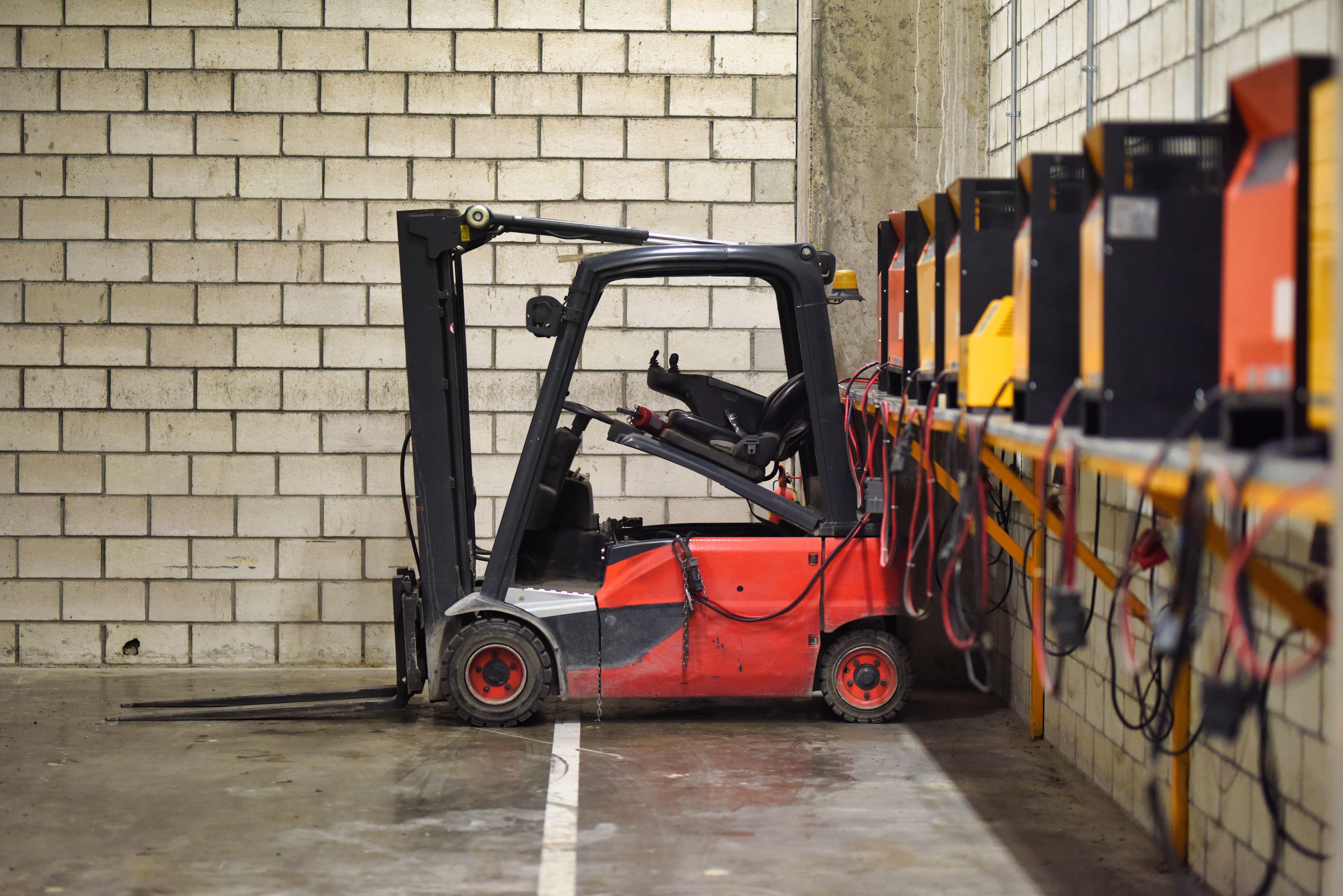
Benefits of Eco-Friendly Forklifts
Transitioning to eco-friendly forklifts offers numerous benefits that extend beyond environmental impact. Here's why more Australian companies are making the switch:
- Reduced Emissions: By minimizing greenhouse gas emissions, these forklifts contribute to cleaner air and a healthier environment.
- Cost Savings: With lower fuel and maintenance costs, businesses can achieve significant savings over time.
- Improved Workplace Safety: Electric forklifts produce less noise and vibrations, enhancing workplace safety and comfort.
These advantages make eco-friendly forklifts an attractive option for any business looking to enhance sustainability and efficiency.
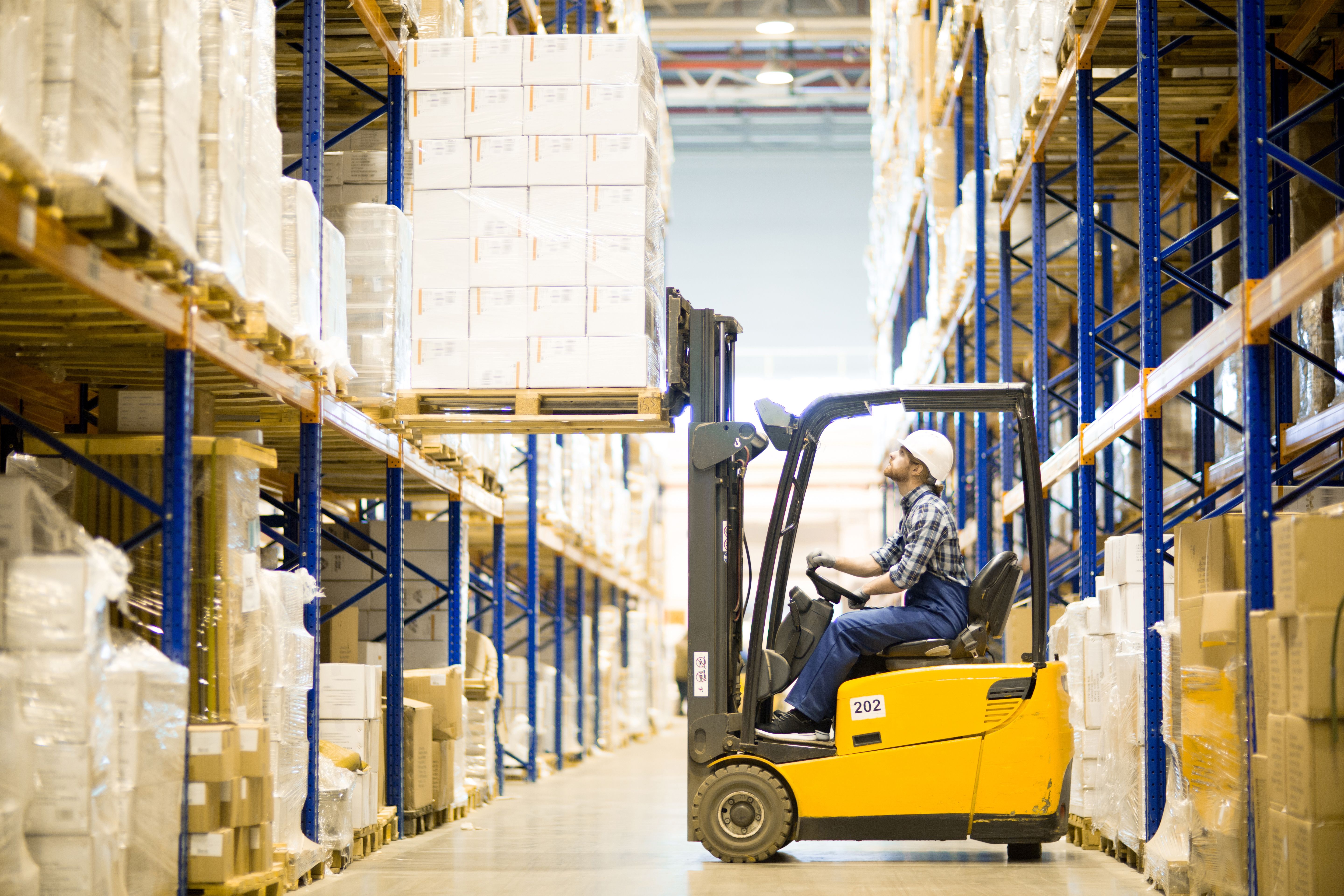
Challenges and Considerations
While the move towards eco-friendly forklifts is promising, there are challenges to consider. Initial investment costs can be higher compared to traditional forklifts. Additionally, businesses must ensure they have the necessary infrastructure, such as charging stations, to support these machines.
Training employees to operate and maintain new types of forklifts is also crucial. Companies need to invest in proper training programs to maximize the benefits of eco-friendly forklifts.
The Future of Eco-Friendly Forklifts in Australia
As technology continues to advance, the future of eco-friendly forklifts in Australia looks bright. Innovations are expected to lower costs and improve efficiency, making these machines more accessible to businesses of all sizes.
Government incentives and policies promoting sustainability will likely further encourage the adoption of eco-friendly forklifts. As more companies embrace these technologies, Australia's commitment to a greener future will only grow stronger.
The rise of eco-friendly forklifts is a testament to the power of innovation and the ongoing shift toward sustainable business practices. By embracing these changes, Australian companies are not only improving their operations but also contributing to a healthier planet.