
How to Maximize Efficiency with Pedestrian Forklifts


Understanding Pedestrian Forklifts
Pedestrian forklifts, also known as walkie stackers, are essential tools in warehouses and small storage facilities. Unlike traditional forklifts, they are operated while walking behind the machine, offering greater maneuverability in tight spaces. To maximize efficiency with these machines, it's crucial to understand their unique features and capabilities.
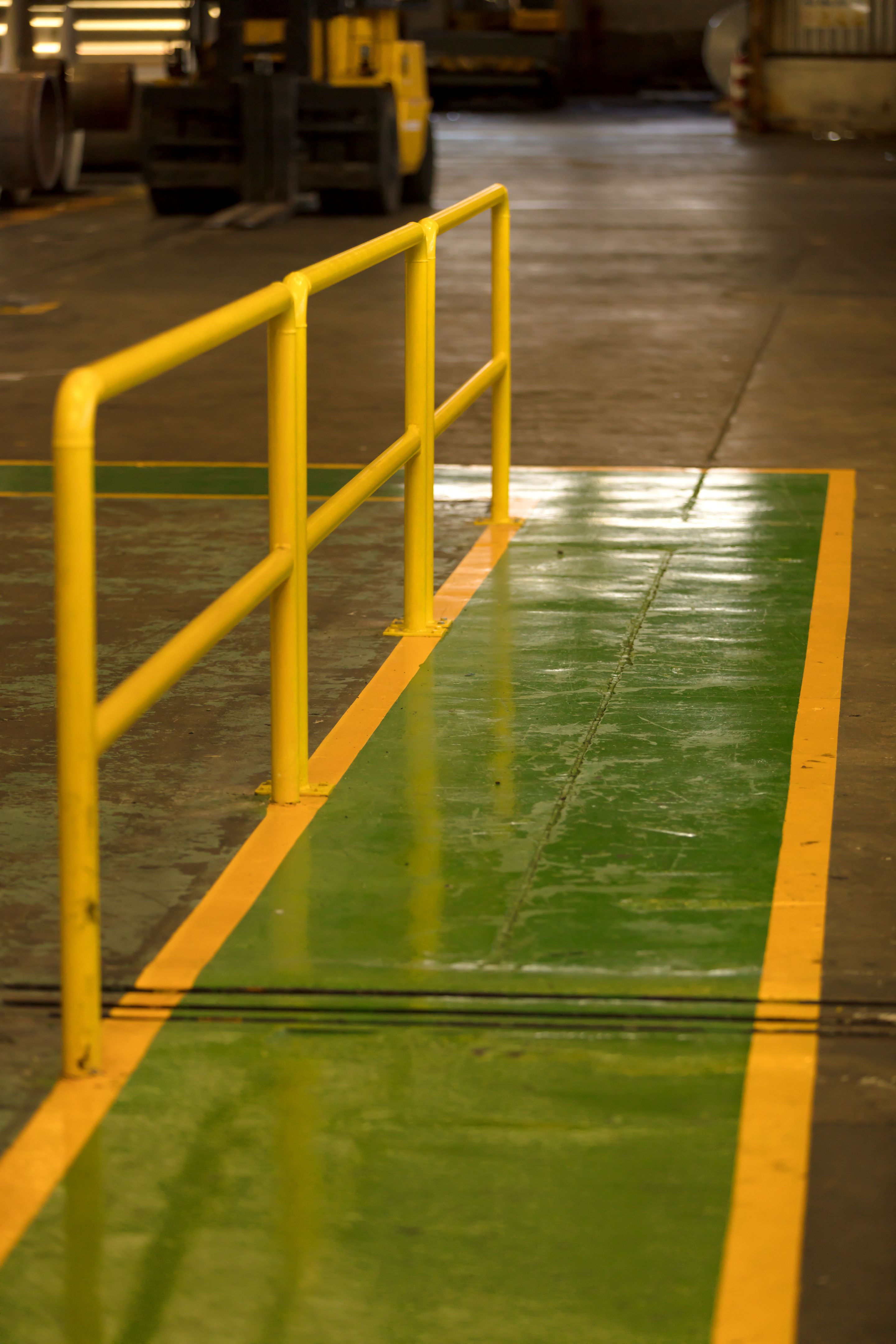
These forklifts are ideal for short distances and light to medium loads. Their compact design allows operators to navigate narrow aisles and crowded areas with ease. By leveraging their versatility, businesses can improve workflow and reduce the risk of accidents.
Proper Training for Operators
Ensuring that operators receive proper training is vital for maximizing the efficiency of pedestrian forklifts. Trained operators are more adept at handling the equipment, which can significantly reduce downtime and improve productivity.
Key Training Areas
Training should cover essential areas such as understanding load capacities, operating controls, and safety protocols. Emphasizing the importance of regular maintenance checks will also help in minimizing unexpected breakdowns.
Optimizing Warehouse Layout
A well-organized warehouse layout can significantly enhance the efficiency of pedestrian forklifts. By strategically arranging aisles and storage areas, operators can reduce travel time and streamline operations.

Layout Tips
- Designate clear pathways for pedestrian forklift traffic.
- Ensure that frequently accessed items are stored in easily reachable locations.
- Regularly review and update the layout to accommodate changes in inventory or workflow.
Implementing Technology
Incorporating technology such as tracking systems and inventory management software can further boost the efficiency of pedestrian forklifts. These tools help operators locate items quickly and manage stock levels more effectively.

Benefits of Technology
By using technology, businesses can achieve greater accuracy in inventory management, reduce errors, and enhance overall operational efficiency. Additionally, data collected from these systems can provide insights for continuous improvement.
Regular Maintenance and Inspection
Routine maintenance and inspection are crucial for maintaining the performance of pedestrian forklifts. Establishing a regular schedule for checking key components like brakes, wheels, and batteries will prevent unexpected issues and extend the lifespan of the equipment.
Maintenance Checklist
- Inspect brakes and steering mechanisms for functionality.
- Check battery levels and charging systems.
- Examine wheels and casters for wear and tear.
By adhering to these guidelines, businesses can ensure that their pedestrian forklifts operate smoothly, maximizing efficiency and productivity. Adopting these practices will lead to a safer, more organized, and cost-effective operation.