
Common Misconceptions About Forklift Maintenance and How to Avoid Them


Understanding Forklift Maintenance Misconceptions
Forklifts are essential to many industries, yet misconceptions about their maintenance can lead to costly mistakes. Understanding these misconceptions is crucial to ensure safe and efficient operations. In this post, we will debunk common myths and provide guidance on avoiding these pitfalls.
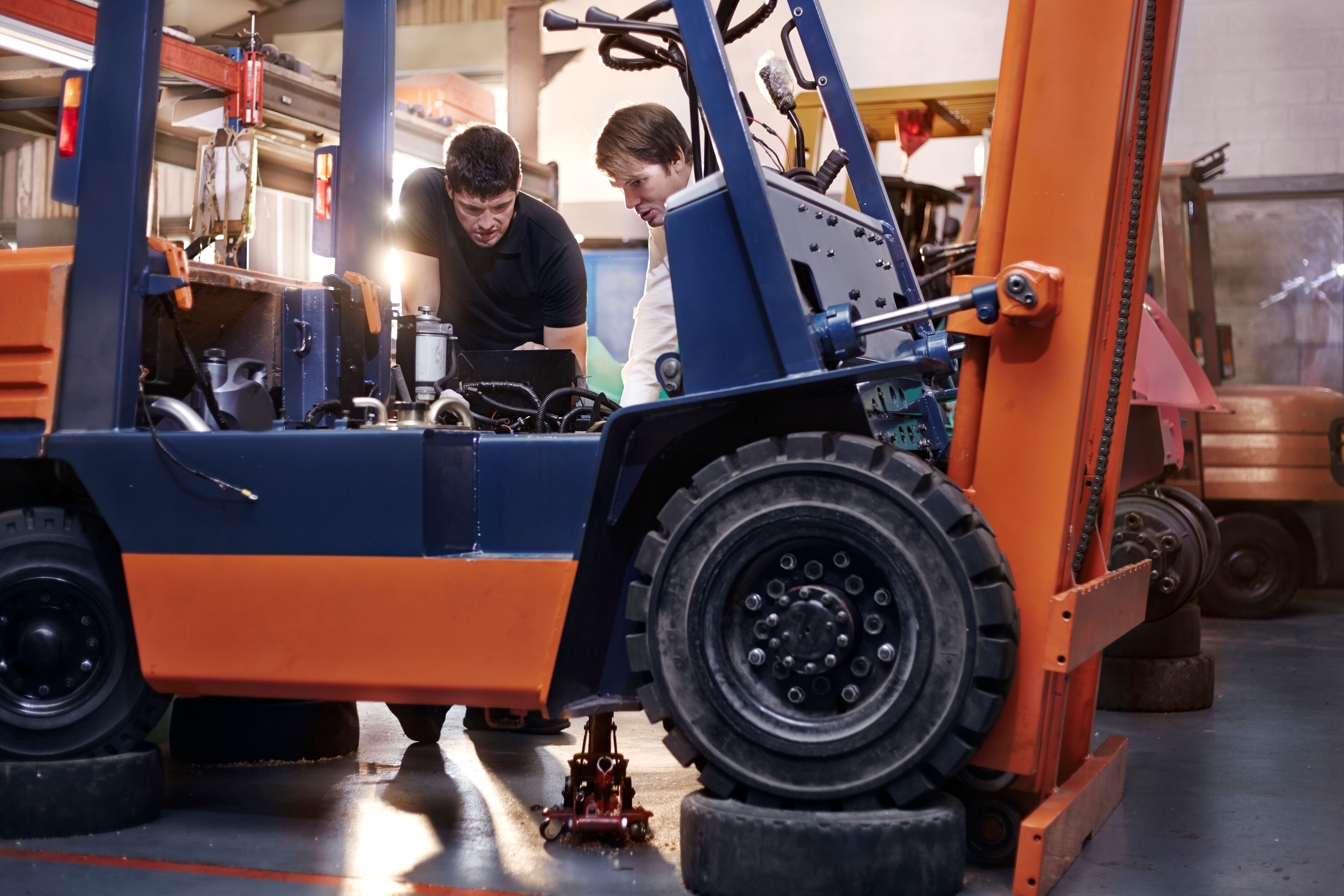
Myth 1: Forklifts Don't Need Regular Maintenance
One prevalent misconception is that forklifts can operate indefinitely without regular maintenance. Some operators believe that as long as the forklift is working, there's no need for inspection or servicing. This is a dangerous assumption. Regular maintenance checks are vital to identify potential issues before they become major problems. Ignoring them can lead to unexpected breakdowns and increased repair costs.
To avoid this, establish a consistent maintenance schedule. Include daily inspections, monthly servicing, and annual comprehensive checks. Regular maintenance not only extends the forklift's lifespan but also ensures the safety of the operators.
Myth 2: Any Mechanic Can Service a Forklift
Another common belief is that any mechanic can handle forklift maintenance. While general mechanical skills are beneficial, forklifts require specialized knowledge due to their unique systems and components. Employing a mechanic without forklift-specific expertise can lead to improper repairs and safety hazards.
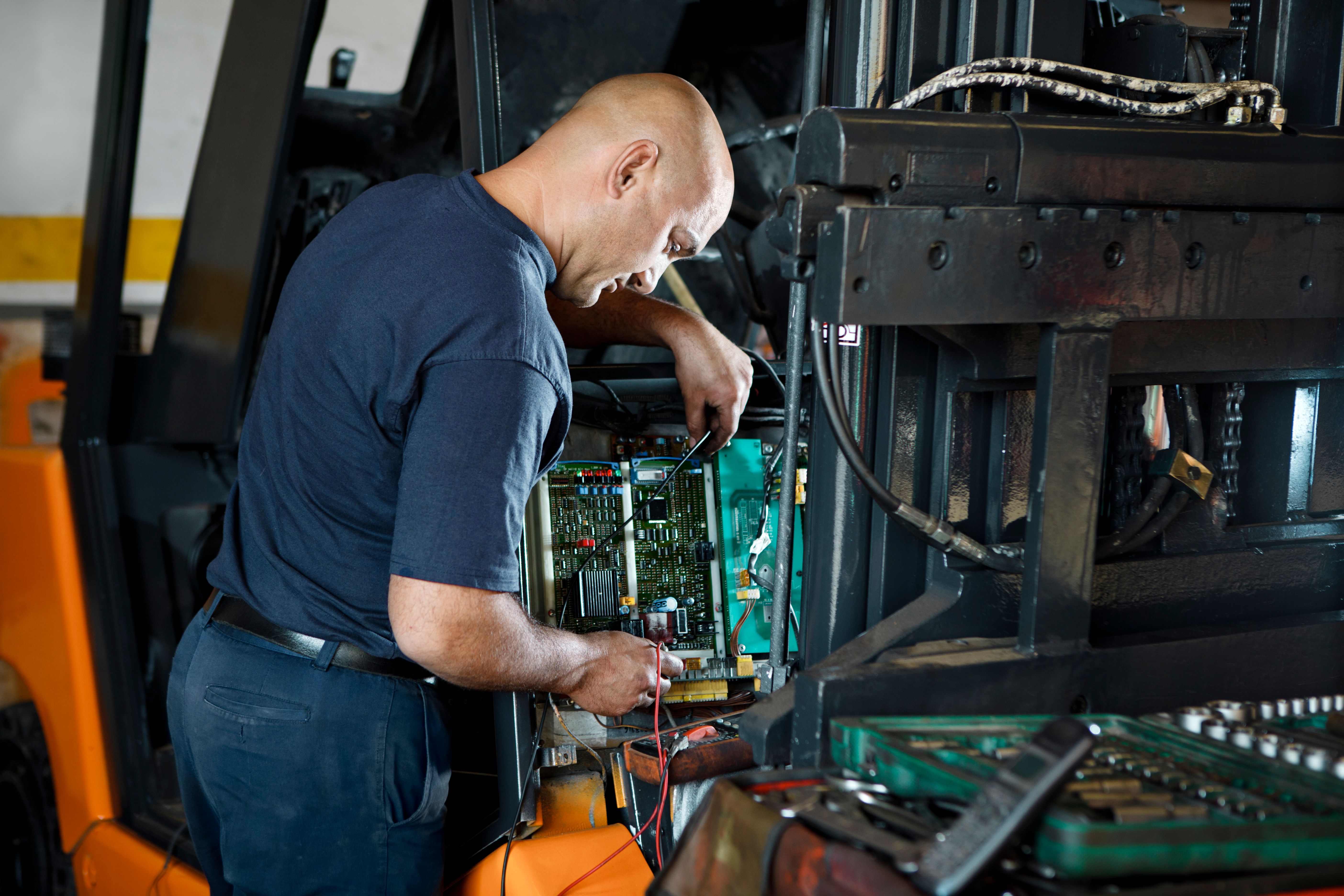
To prevent this, always hire qualified technicians who have experience with forklifts. Their expertise will ensure that maintenance and repairs are conducted correctly, keeping the equipment in optimal condition.
Myth 3: Maintenance Is Too Expensive
Many businesses view maintenance as an unnecessary expense rather than an investment. This perspective often leads to neglecting essential upkeep, resulting in more significant issues down the line. In reality, regular maintenance can save money by preventing costly repairs and downtime.
Consider the cost-benefit of preventive maintenance. Regular checks and minor repairs are generally more affordable than major overhauls. Investing in routine maintenance will reduce the risk of unexpected failures and the associated costs.

Effective Strategies for Forklift Maintenance
Now that we’ve debunked some common myths, let's look at strategies to maintain your forklifts effectively. Implementing these practices will enhance safety and efficiency in your operations.
Conduct Regular Training
Ensure that all operators and maintenance staff receive regular training. Understanding the latest maintenance techniques and safety protocols is essential for maintaining forklifts in good working order. Proper training helps in identifying issues early and reducing the risk of accidents.
Utilize Technology
Leverage technology to keep track of maintenance schedules and records. Maintenance management software can automate reminders for inspections and servicing, ensuring nothing is overlooked. This approach allows for more efficient tracking and management of maintenance activities.
By addressing these misconceptions and implementing effective maintenance strategies, businesses can ensure their forklifts remain in top condition, enhancing both safety and productivity.